
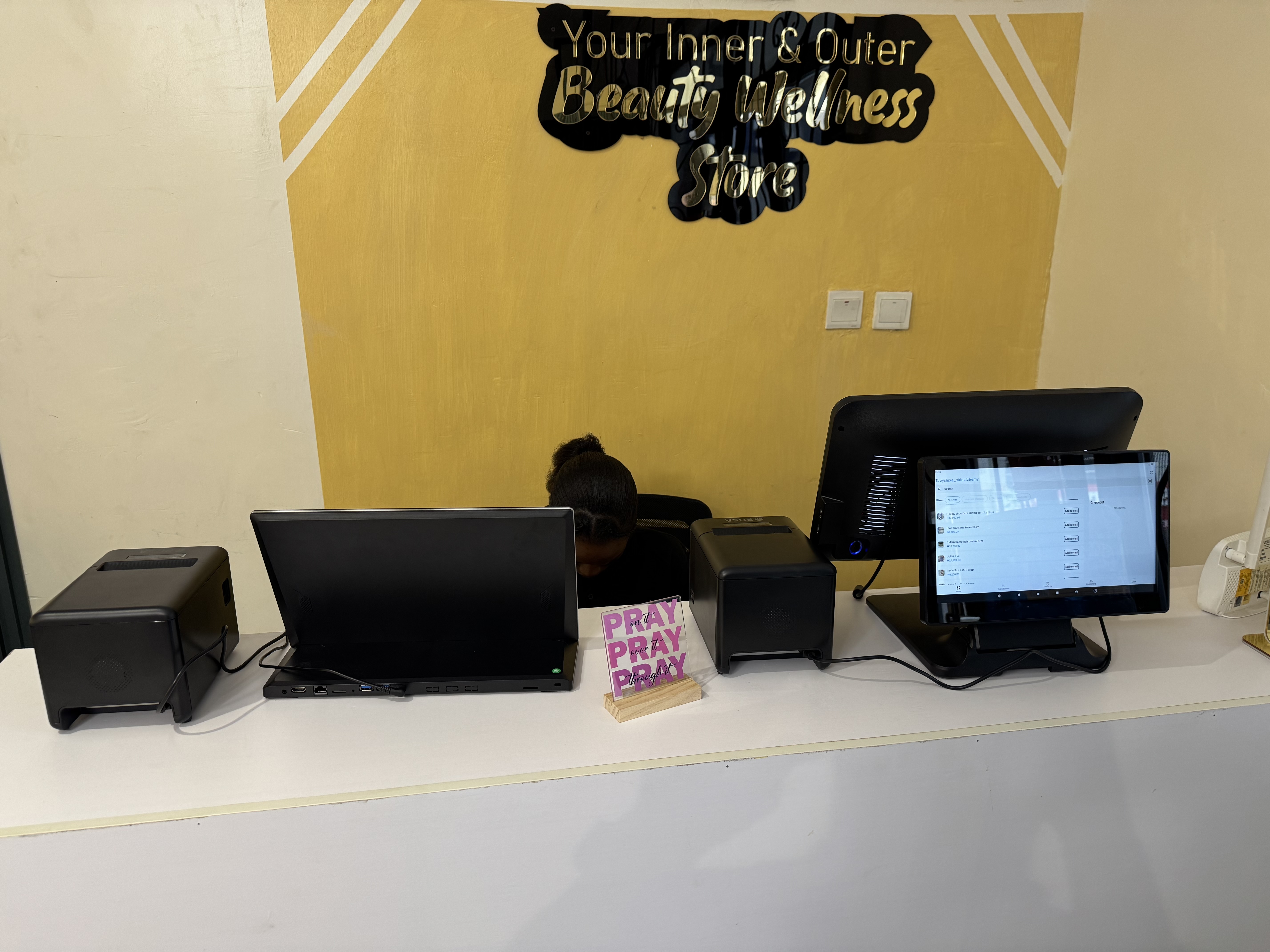
A pharmacy owner in Abuja spent three months using a POS system she had chosen because it was the most affordable option she could find. It looked clean, the demo went well, and the monthly fee was low. What she did not find out until after she signed up was that it required a stable internet connection to process every sale.
During a routine NEPA outage on a Saturday afternoon — her busiest trading hour of the week — the system went blank. She could not process a single transaction. Customers left. She lost hours of revenue. And when she reached out to the provider's support line, no one answered.
Her mistake was not choosing the wrong price point. Her mistake was choosing a system built for a different environment — one where power and internet are reliable. In Africa, they are not.
This guide exists so you do not make the same mistake. Whether you run a retail shop, supermarket, pharmacy, fashion store, or restaurant, your POS system sits at the centre of your daily operations. Choosing the wrong one does not just cost you money — it costs you customers, time, and growth.
We have organised this guide into three tiers based on how critical each factor is for African businesses:
- Must-Haves — non-negotiable requirements; a system missing any of these is the wrong choice for your market
- Strong Advantages — features that meaningfully separate a good system from a great one
- Good to Have — useful additions that will matter more as your business grows
Tier 1: Must-Haves
If a POS system you are evaluating does not meet all of the following criteria, stop evaluating it. These are the baseline requirements for operating reliably in African markets.
1. Offline Mode — Non-Negotiable

This is the single most important criterion for any business operating in Nigeria, Ghana, Cameroon, or anywhere across Africa where power and internet connectivity are inconsistent. If a POS system cannot process sales without an active internet connection, it will fail you at the worst possible time.
Think about when your busiest trading periods happen: weekends, market days, public holidays, end of month. These are also the times when grid power is most strained and internet connectivity most unreliable. A system that goes offline when your internet does is not a business tool — it is a liability.
What to verify before you buy:
- Can it process sales, print receipts, and update inventory with zero internet connection?
- Does it sync all offline transactions automatically and accurately once connectivity returns?
- Has the vendor actually tested this in Nigerian or Ghanaian network conditions — not just in a stable demo environment?
Posa is built with offline-first architecture. Sales, inventory updates, and receipts all work without internet, and everything syncs cleanly when the connection returns — with no data loss.
2. Real Inventory Management — Not Just a Stock Counter
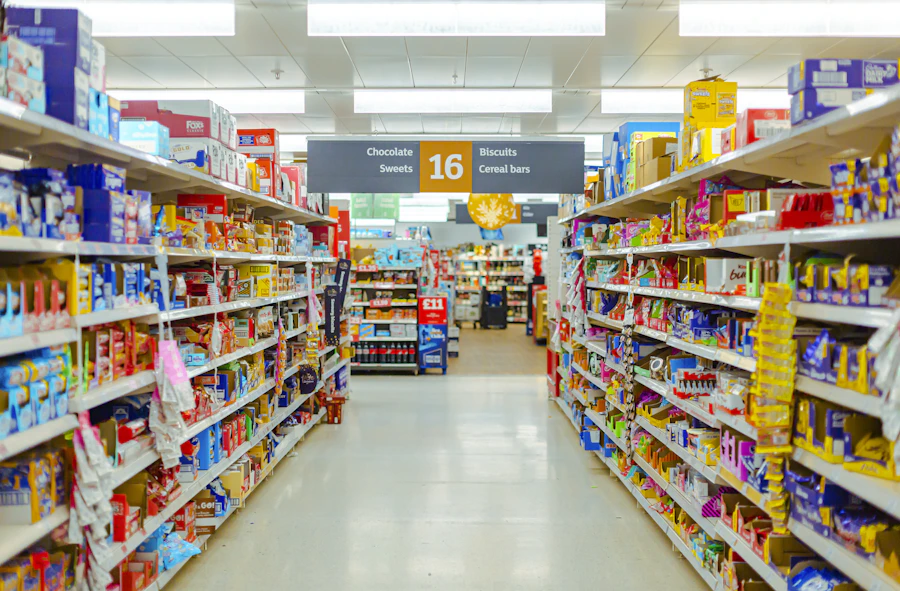
Many POS systems offer a basic stock count feature and call it inventory management. What African retail businesses actually need is a system that actively helps you avoid stock-outs, identify dead stock, and understand product movement — not just a running total that decreases as you sell.
Poor inventory visibility is one of the leading causes of revenue loss for retailers across Nigeria and Ghana. Running out of a fast-moving product is a direct lost sale. Sitting on slow-moving stock is cash that is not working for you. A good POS system solves both — in real time.
What to look for:
- Real-time inventory updates that reflect every sale immediately
- Automatic low-stock alerts so you reorder before shelves go empty
- Fast-moving versus slow-moving product reports
- Barcode and product categorisation support for businesses with large SKU counts
Posa's inventory management goes beyond counting. It tracks every product movement, sends low-stock alerts, and gives you clear data on what to reorder, what to promote, and what to stop buying.
3. Role-Based Access and Staff Accountability

Once your business has more than one person handling transactions, you need a system that tracks who did what. This is not about distrust — it is about having a verifiable record of every sale, refund, discount, and cash movement in your business.
Without role-based access, every staff member can see everything, modify anything, and process refunds or discounts without authorisation. That creates both a security risk and a management problem. You lose the ability to know what actually happened when something goes wrong.
What to look for:
- Distinct access levels for cashier, store keeper, manager, and owner
- Manager authorisation required for discounts, voids, and refunds
- Full audit trail — every transaction timestamped and attributed to a specific user
Posa gives every team member a role with appropriate access. Owners see everything. Cashiers see only what they need to do their job. Every transaction is logged, attributed, and auditable.
Tier 2: Strong Advantages
These features separate a functional POS from one that actively helps your business grow. Once your Must-Haves are confirmed, these are what should drive your final decision.
4. Multi-Branch and Warehouse Support

Even if you currently operate from a single location, your POS system should be able to grow with you. Migrating to a new system when you open a second branch is expensive, disruptive, and avoidable. Choose a system that handles multiple locations natively from day one.
- Centralised dashboard showing all branches in one view
- Stock transfer between locations without manual reconciliation
- Branch-by-branch performance comparison in a single report
5. Detailed Reporting and Business Insights
A POS system that only records transactions is a glorified cash register. A great POS turns that transaction data into insights that help you run the business better — what your best-selling products are, when your peak trading hours are, which staff members are performing strongest, and how your profit margins are trending over time.
- Daily, weekly, and monthly sales reports — automatically generated, not manually compiled
- Profit and loss visibility at the product and category level
- Staff performance tracking by sales volume and transaction count
6. Payment Flexibility
Customers across Nigeria and Ghana pay in different ways — cash, bank transfer, POS terminal, and increasingly mobile money. A system that only records one payment type creates gaps in your reporting and creates friction at the point of sale. Your POS should handle all of them cleanly and record them accurately.
- Support for cash, transfer, card, and split payments in a single transaction
- Accurate reporting across all payment types so your daily totals always reconcile
7. Ease of Use for Staff at Every Level
A system that requires two weeks of training before a cashier can use it is not a good fit for most growing businesses. Staff turnover is a reality, and every new hire you bring on should be able to learn the basics in hours, not days. Beyond onboarding, a clean interface reduces errors at the point of sale — which directly protects your revenue.
- Intuitive layout that experienced and inexperienced staff can navigate confidently
- Fast transaction processing — especially important during peak trading hours
Tier 3: Good to Have
These features are not deal-breakers on their own, but they add meaningful value for growing businesses — particularly those planning to scale or diversify their revenue streams.
8. Online Store Integration
The ability to sell beyond your physical location — through an online store that shares the same inventory and reporting as your physical shop — is becoming increasingly important for Nigerian and Ghanaian retailers. It is not essential on day one, but it is a significant advantage as your business grows. Look for a POS that offers this natively rather than requiring you to integrate a separate platform.
9. Customer Loyalty Programme
Retaining a customer costs significantly less than acquiring a new one. A built-in loyalty programme — points, rewards, repeat purchase tracking — gives you a structured way to keep your best customers coming back without relying on a separate tool. This is most valuable for retail businesses with high transaction frequency.
10. Responsive Local Support
Technology fails. The question is not whether you will ever have a problem — it is whether help will be available when you do. A support team that understands the Nigerian or Ghanaian business environment, operates in your time zone, and responds quickly is worth paying for. Avoid systems where the only support channel is a ticket portal with a 48-hour response window. During a busy trading day, 48 hours is a business disaster.
One Honest Question to Ask Every Vendor
Before you commit to any POS system, ask the vendor one question:
"How many of your active customers are businesses operating in Nigeria or Ghana right now?"
A vendor who has real customers in your market has been stress-tested by your environment — the power interruptions, the network drops, the transaction volumes, the local currencies. A vendor who cannot answer that question confidently is selling you a product that was not built for where you operate.
How Posa Scores Against This Guide

Posa was built from the ground up for businesses in Nigeria, Ghana, Cameroon, and across Africa. Every criterion in this guide was a design requirement, not an afterthought.
- Offline-first architecture — sells without internet, syncs when it returns
- Real-time inventory with low-stock alerts and product movement tracking
- Role-based access with full audit trails for every transaction
- Multi-branch and warehouse management from a single dashboard
- Automated sales, inventory, and profit reports
- Built-in online store, loyalty programme, and payment flexibility
- Responsive support from a team that understands the African business environment
Thousands of businesses across Nigeria, Ghana, Cameroon, and Brunei use Posa every day — in markets, shops, pharmacies, supermarkets, and restaurants. It has been tested in your environment because it was built for your environment.
The Bottom Line
Choosing a POS system is not a technology decision. It is a business decision. The system you choose will shape how your staff work, how your stock is managed, how your cash is tracked, and how clearly you can see your own business.
Do not choose based on price alone. Do not choose based on a demo that ran perfectly in a stable Wi-Fi environment. Choose based on how the system performs in your market — with your staff, your transaction volumes, your infrastructure realities.
The right POS system does not just support your business. It becomes one of the reasons your business grows.
Ready to see how Posa performs against every criterion in this guide?
Start your free trial at getposa.com
Get Started FreePublished by Posa Technologies · getposa.com
← More articles