
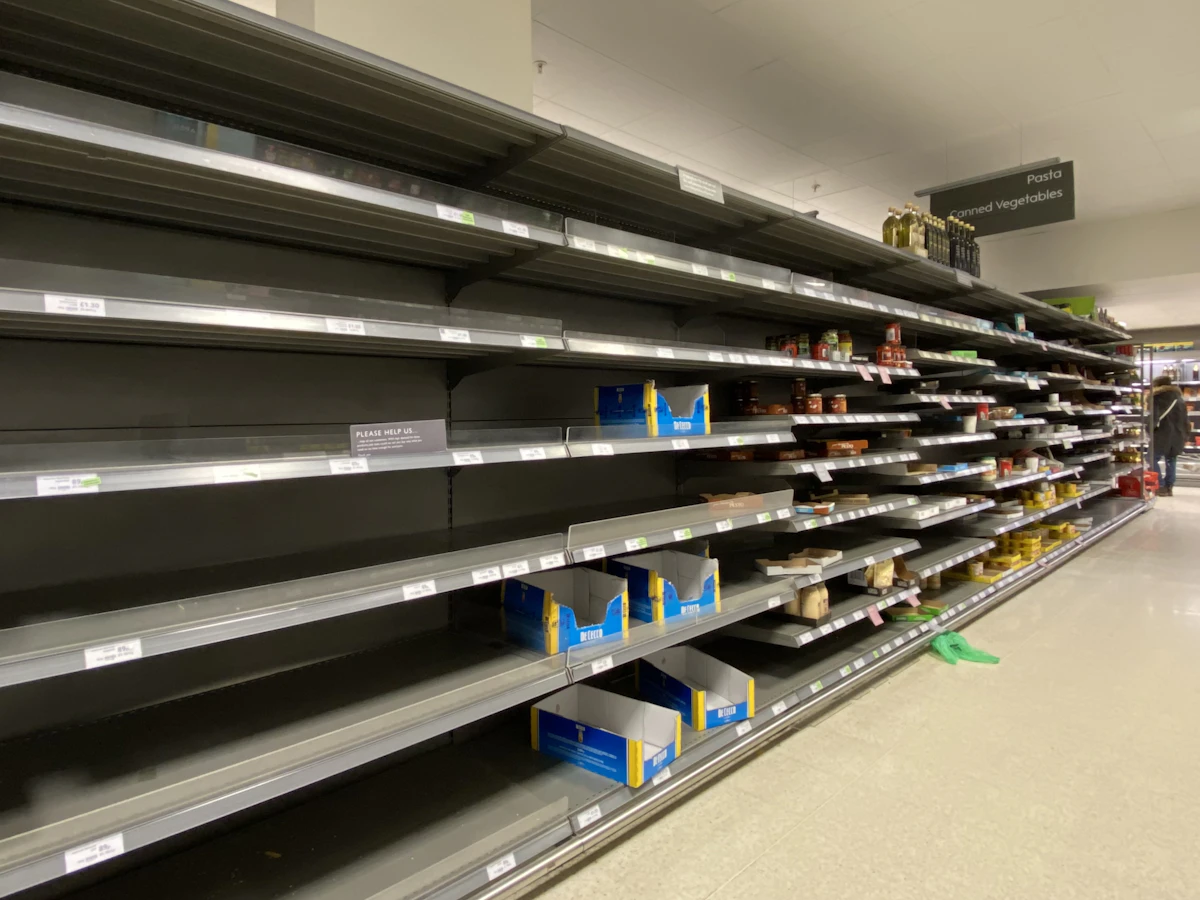
It is a busy Saturday afternoon in Lagos. A woman walks into a cosmetics shop on her street — one she has used for two years. She asks for a specific body cream she buys every month. The attendant checks the shelf, checks the back room, and returns with a shrug.
"We don't have it. Maybe next week."
She thanks them and leaves. She finds the same cream two shops down. The price is slightly higher, but the product is there. She buys it — and keeps going back to that second shop from then on.
The first shop did not lose one sale that Saturday. They lost a customer.
This happens hundreds of times a day across Nigerian retail — in supermarkets, pharmacies, fashion stores, FMCG distributors, and electronics shops. Stock-outs are one of the most underestimated profit killers in the business, and most owners do not realise how deep the damage runs until it is already done.
1. The Immediate Hit: Lost Sales and Weakened Cash Flow
The most visible cost of a stock-out is the sale you do not make. In a market as price-sensitive and convenience-driven as Nigeria, customers rarely wait. When the product is not there, they move on — immediately.
That single missed sale is not just a one-time loss. It affects:
- Your revenue for that day
- Your cash flow available for restocking
- Your ability to cover operating costs at the end of the month
For small and medium retailers, this becomes a cycle. Low stock leads to fewer sales, fewer sales means less cash to restock, and less cash means more stock-outs. Many businesses shrink slowly this way without ever identifying the root cause.
2. The Loyalty Damage: Customers Who Don't Come Back
A single stock-out can be forgiven. Two or three in a row? That is a pattern. And in the minds of your customers, that pattern means one thing: this business is unreliable.
In Lagos, Abuja, Port Harcourt — anywhere competition is dense — customers have options. They do not need to stay loyal to a shop that keeps disappointing them. Once they find a reliable alternative, switching costs are zero.
The real danger is that you never see this happening. They do not complain. They just stop coming. And because your records are not tracking customer frequency, you do not even notice the drop until it shows up in your monthly totals — weeks later.
3. The Overreaction: Panic Buying and Dead Inventory
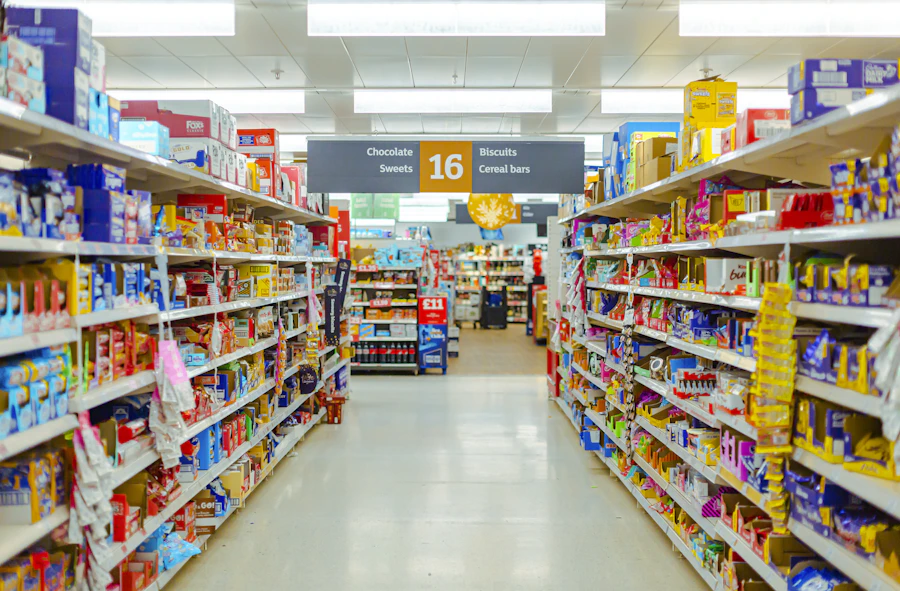
When business owners realise they are running out of stock too often, many overcorrect. They buy in bulk — not based on data, but based on anxiety. The result is a warehouse (or back room) full of slow-moving or expiring products, while the fast-moving ones are still running out.
This is especially damaging for FMCG businesses dealing with perishables or products with shelf-life expiry. You end up:
- Tying up capital in stock that is not moving
- Writing off expired or damaged goods
- Still running out of the items customers actually want
Poor inventory management creates two problems at the same time: shelves that are empty of the right things and full of the wrong things.
4. The Internal Leak: Theft, Errors, and Untracked Loss
Without a proper inventory system, it becomes nearly impossible to know the difference between a stock-out caused by strong sales, poor reordering, or staff theft.
This ambiguity is costly. When there is no system tracking what was sold, by whom, and when — the door is open for:
- Staff removing goods without recording them as sales
- Recording errors that inflate or deflate your actual stock count
- Intentional manipulation of sales or return records
Many Nigerian retailers lose a significant percentage of their inventory to internal shrinkage every year — and because there is no system to trace it, they simply assume it is a supply problem.
5. The Strategy Problem: Decisions Made on Bad Data
Every business decision you make — what to stock, what to discount, what to drop, when to expand — depends on accurate data. If your inventory records are unreliable, every one of those decisions is a guess.
You may be restocking products that are barely selling while missing reorder points on your top performers. You may be calculating profit margins on costs that are not up to date. You may be thinking your business is growing when it is actually plateauing.
Poor inventory visibility does not just cause operational problems. It makes it impossible to plan strategically — and that limits your growth ceiling permanently.
6. The Hidden Tax: Time, Stress, and Mental Load
Manual inventory management — notebooks, memory, scattered spreadsheets — carries a cost that never shows up on a profit and loss statement but is very real:
- Hours spent counting and reconciling stock by hand
- Constant anxiety about what you might be running low on
- Late nights doing calculations that a proper system would do in seconds
When you are spending mental energy managing chaos, you have less of it left for the things that actually move a business forward — customer relationships, new products, marketing, expansion.
It's Not a Stock Problem. It's a Visibility Problem.
Here is the truth that most retailers miss: stock-outs are rarely caused by a shortage of supply. They are caused by a shortage of information.
The retailers who stay stocked are not the ones with the biggest budgets. They are the ones who know — in real time — what they have, what is moving, and when to act.
That kind of visibility comes from a proper inventory management system. With the right tools, you can:
- See your exact stock levels at any moment — across every location
- Get automatic low-stock alerts before you run out
- Identify your fastest and slowest-moving products by data
- Track every sale and movement by staff member and time
- Make confident, data-driven restocking decisions — not panic purchases
That is exactly what Posa gives you.
How Posa Solves the Inventory Problem for Retailers

Posa is a complete business management platform built specifically for retailers in Nigeria, Ghana, and across Africa. Inventory management is at its core — not an add-on.
- Real-time stock tracking — know exactly what you have, always
- Low-stock alerts — get notified before products run out, not after
- Multi-location and warehouse management — manage all your branches from one dashboard
- Staff activity tracking — every sale, return, and discount logged and attributed
- Offline mode — keep selling and tracking even when internet goes down
Businesses using Posa don't just fix their stock-out problem. They gain a clear picture of their entire operation — and that visibility is what turns a struggling retail business into a growing one.
The Bottom Line
Empty shelves are not just an operational inconvenience. They represent lost revenue, lost customers, and lost trust — compounding quietly every week until the damage is too visible to ignore.
In a competitive market like Nigeria's, the retailers who win are not always the ones with the lowest prices or the fanciest shops. They are the ones who are always ready to sell — because they always know what they have.
Stop reacting to stock problems after they happen. Start preventing them with Posa.
Try Posa free today — no hardware required to get started.
Visit getposa.com to create your free account.
Get Started FreePublished by Posa Technologies · getposa.com
← More articles